Duisburg, Essen, Gelsenkirchen, Bochum
Duisburg sits at the confluence of the Rhine and the Ruhr, where water and industry have shaped the city’s character. Home to the world’s largest inland port, it remains a key logistical hub in Europe. Districts such as Marxloh and Bruckhausen reflect this industrial past, while projects like Landschaftspark Duisburg-Nord – a former ironworks turned public park – show how these sites have been adapted for recreation and culture.
The city’s cultural life includes the Lehmbruck Museum, known for its sculpture collection, and the Museum Küppersmühle, which presents contemporary art in a converted industrial building. The Theater Duisburg hosts productions by Deutsche Oper am Rhein, while the filmforum Duisburg at Dellplatz combines a historical archive with a regular cinema programme, including the Duisburg Film Week.
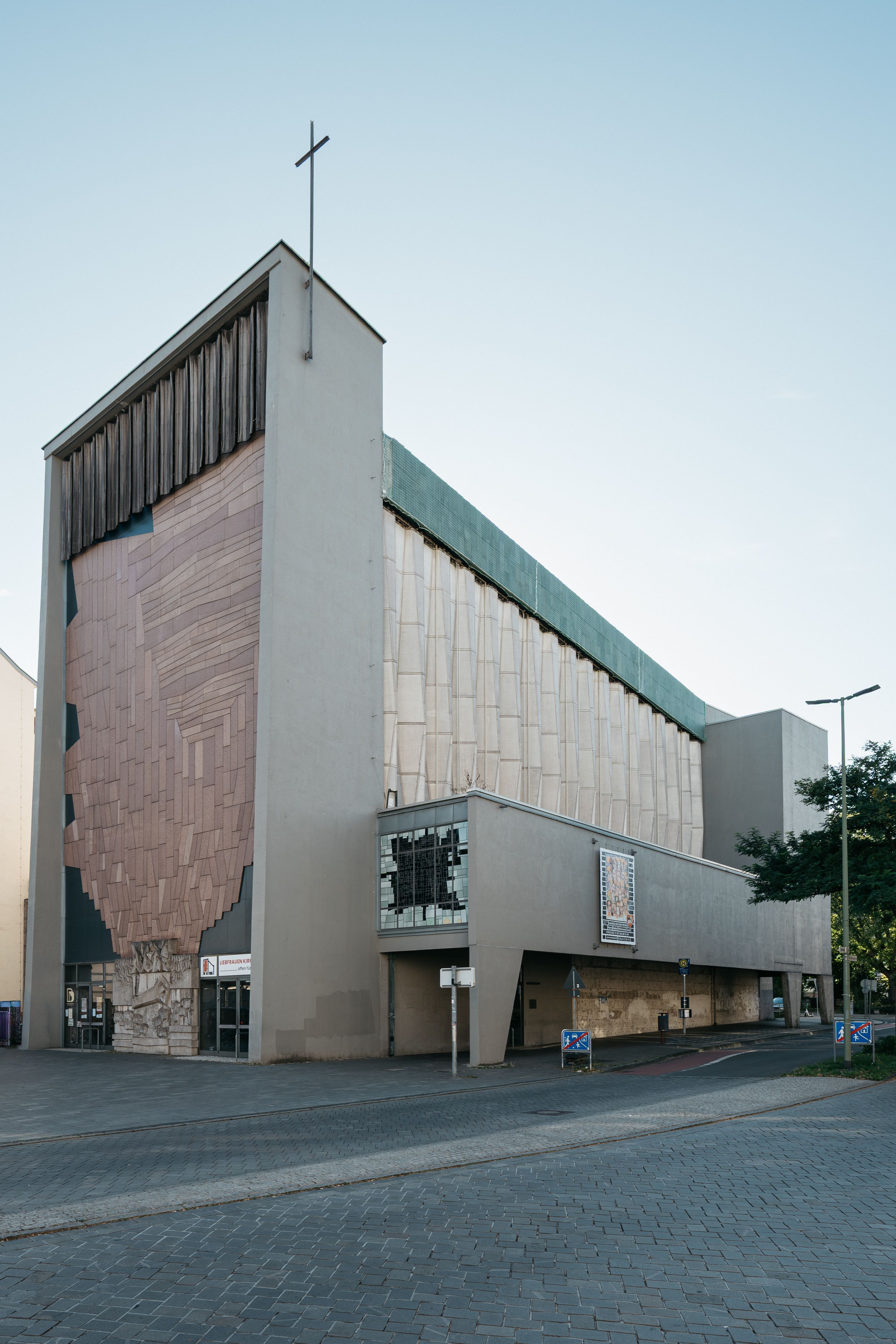
- Kulturkirche LiebfrauenDuisburgInfo pointPartly accessibleWheelchair-accessible toiletThe Catholic Liebfrauenkirche (1958–1971 by Dr. Toni Hermanns), located in Duisburg’s lively city centre, is one of the most important post-war modernist churches in the Rhine and Ruhr areas. It...Creative MediatorHenry Meyric Hughes & Michael Kurtz5 participants in Kulturkirche LiebfrauenJulian Irlinger, Athina Koumparouli, Elizabeth Price, Emil Walde, Abbas Zahedi
![0967-Kulturkirche-Liebfrauen-Daniel-Sadrowski.jpg]()
Essen, once at the heart of Germany’s coal and steel industry, has transformed into a city known for both culture and green spaces. This shift is reflected in landmarks such as the UNESCO-listed Zollverein Coal Mine Industrial Complex and the Villa Hügel estate, former home of the Krupp family, as well as in parks and the Baldeneysee Lake.
The city is home to major cultural institutions including Museum Folkwang, the Aalto Theater, Philharmonie Essen and the Grillo-Theater, alongside contemporary venues such as Pact Zollverein and the Ruhr Museum.
Manifesta 16 Ruhr engages with Essen’s post-war architectural heritage across three venues in the city centre, the Zollverein area and Frohnhausen, including a landmark church by Gottfried Böhm.
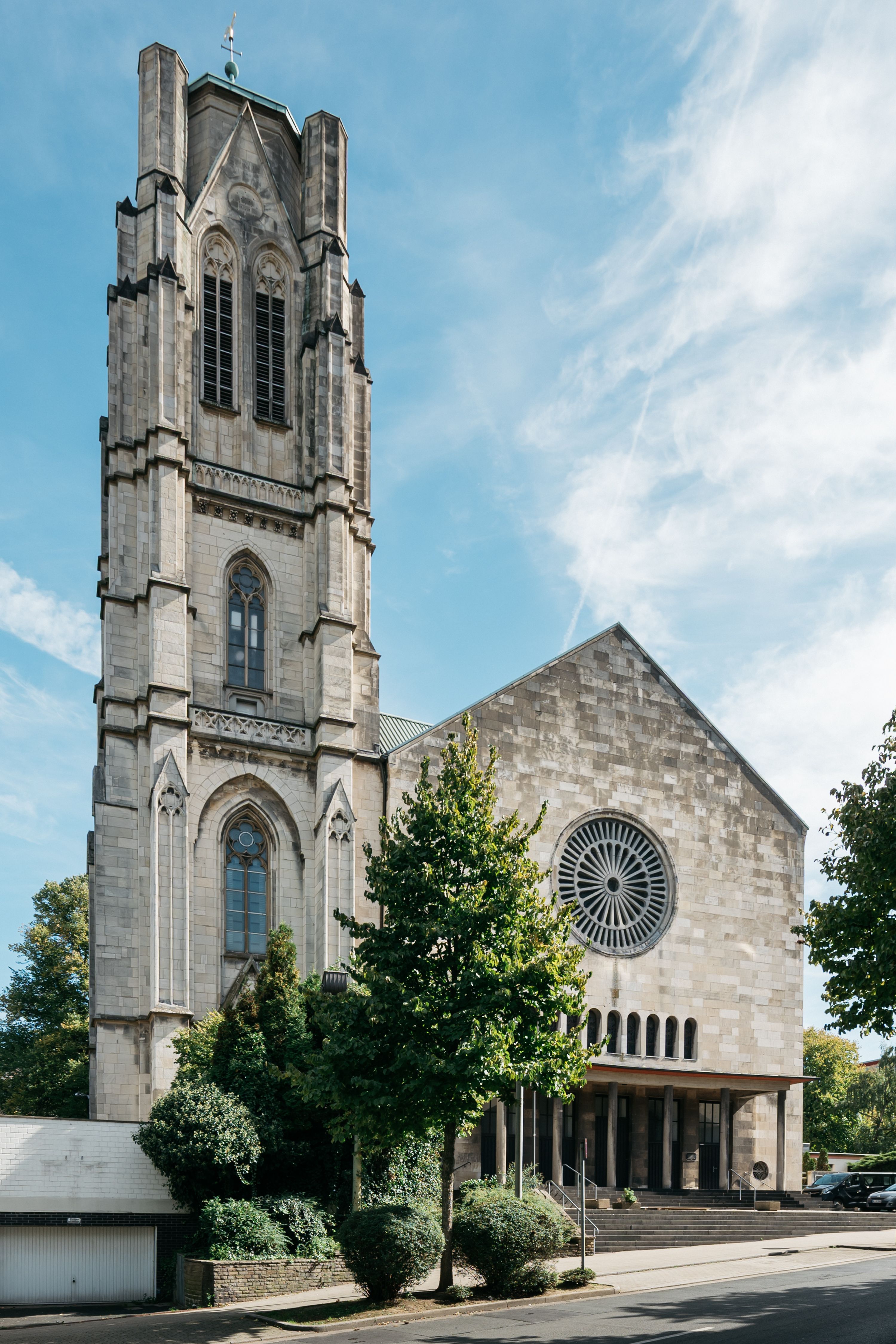
- St. GertrudEssenInfo point2 Sub-venuesPartly accessibleWheelchair-accessible toiletLocated near Essen’s commercial streets, the historic St. Gertrud Church (built in 1877 and reconstructed in 1955 by Emil Jung) stands in stark contrast to the surrounding bustle. St. Gertrud’s...Creative MediatorRené Block & Leonie Herweg10 participants in St. GertrudHalil Altındere, Ayşe Erkmen, Mona Hatoum, Pravdoliub Ivanov, Šejla Kamerić, Jarosław Kozłowski, Olaf Metzel, Donja Nasseri, Navid Nuur, Nasan Tur
![02 St. Gertrud Kirche © Daniel Sadrowski.jpg]() …
… - MarkuskircheEssenInfo pointWheelchair accessibleWheelchair-accessible toiletLocated in the residential district of Essen-Frohnhausen, Markuskirche is a striking example of early 20th century sacred architecture. Reflecting the key principles of Reformed church design from that era, it...Creative MediatorHenry Meyric Hughes & Michael Kurtz4 participants in MarkuskircheSara Bichão, Lilli Lake, PELE, Augustas Serapinas
![03 Markuskirche © Daniel Sadrowski.jpg]() …
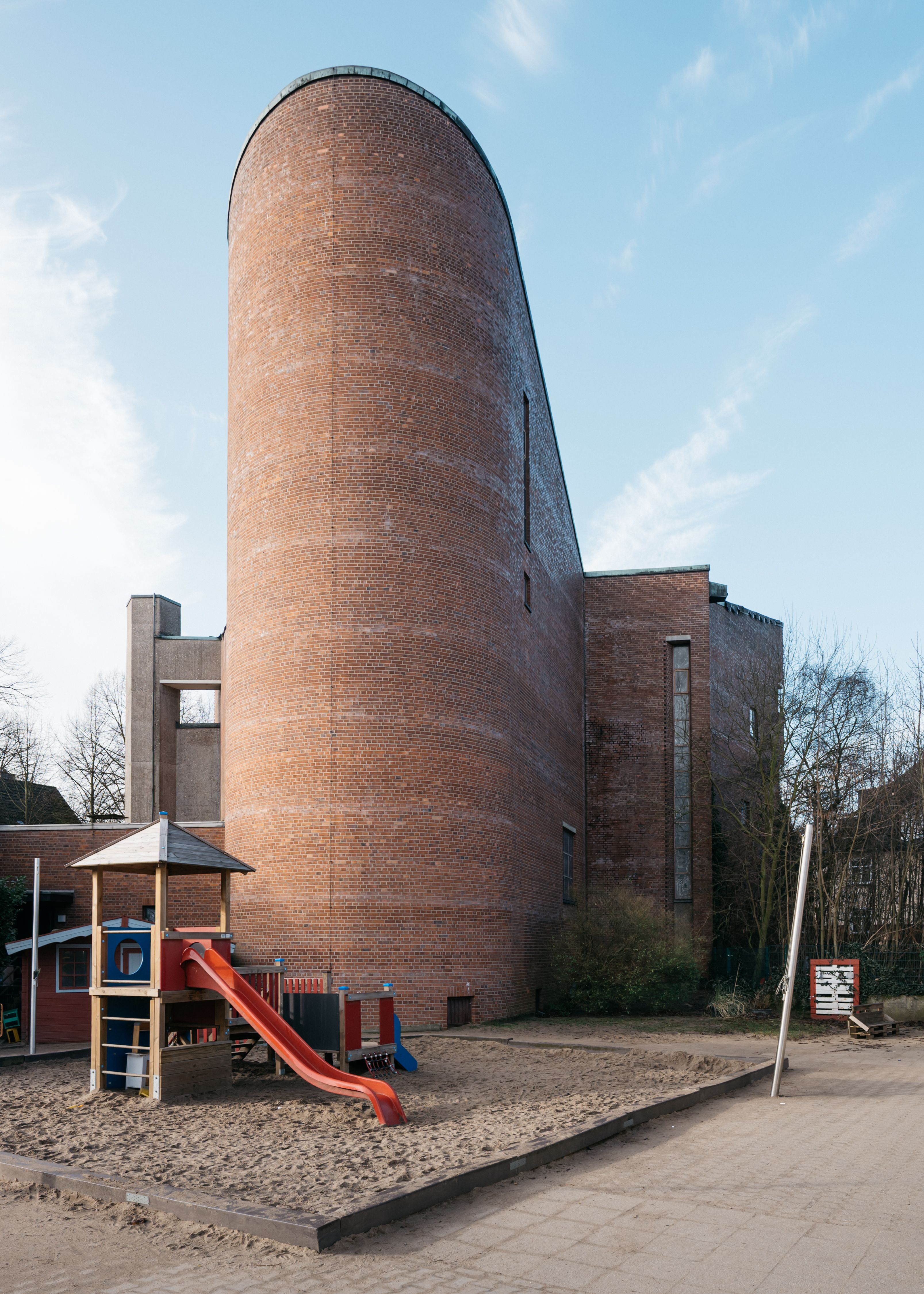
… - St. MarienEssenInfo pointWheelchair accessibleWheelchair-accessible toiletIn the far north of Essen the former St. Marien Church forms a striking landmark in the cityscape. Built between 1961 and 1963 by architect Hans Schilling it is an...Creative MediatorRené Block & Leonie Herweg10 participants in St. MarienJason Dodge, William Engelen, Katharina Fritsch, Annika Kahrs, Jarosław Kozłowski, Alicja Kwade, Mira M. Yang, SUPERFLEX, Evita Vasiljeva, Amanda Ziemele
![St. Marienkirche Essen_2026_c_Daniel Sadrowski-1018.jpg]()
Gelsenkirchen was once one of Europe’s most productive coal-mining centres, earning the nickname “City of a Thousand Fires” from the glow of its coking plants. Today, former industrial sites such as Nordstern Colliery and the impressive post-war cultural buildings Musiktheater im Revier reflect the city’s transformation, while slag heaps and disused railway lines have been reclaimed for the public and turned into green parks and viewpoints.
This history of industry, migration and renewal continues to shape Gelsenkirchen’s neighbourhoods and multicultural communities.
Manifesta 16 Ruhr responds to this context by focusing on residential districts and the city’s distinctive “slipper churches” – neighbourhood churches built close to where workers and their families once lived. The biennial’s headquarters are located in the former parsonage of St. Josef in Ückendorf, alongside Thomaskirche, St. Bonifatius in Erle and St. Anna in Schalke-Nord.
- St. Bonifatius – Ferdane Satır Tea GardenGelsenkirchenInfo pointWheelchair accessibleNo wheelchair-accessible toiletsAmong the church buildings in Gelsenkirchen, St. Bonifatius (1963 by Ernst von Rudloff) stands out as a compelling example of how former houses of worship can be creatively repurposed. Originally...Creative MediatorGürsoy Doğtaş24 participants in St. Bonifatius – Ferdane Satır Tea GardenMehmet Aksoy, Begzada Alatović, Özlem Altın, Atiye Altül, Akbar Behkalam, Bureau Baubotanik, Vlassis Caniaris, İsmail Çoban, Yıldırım Denizli, İhsan Ece, Füruzan , Abuzer Güler, Nejla Gür, Judith Hopf, Merve Kaplan, Justin Lieberman, Julia Logothetis, Mihály Moldvay, Jannis Psychopedis, Metin Talayman, Rıza Topal, Yıldız Tüzün, Nil Yalter, Hanefi Yeter
![20250719_St_Bonifatius_Gelsenkirchen_©_Anton_Vichrov-.jpg]() …
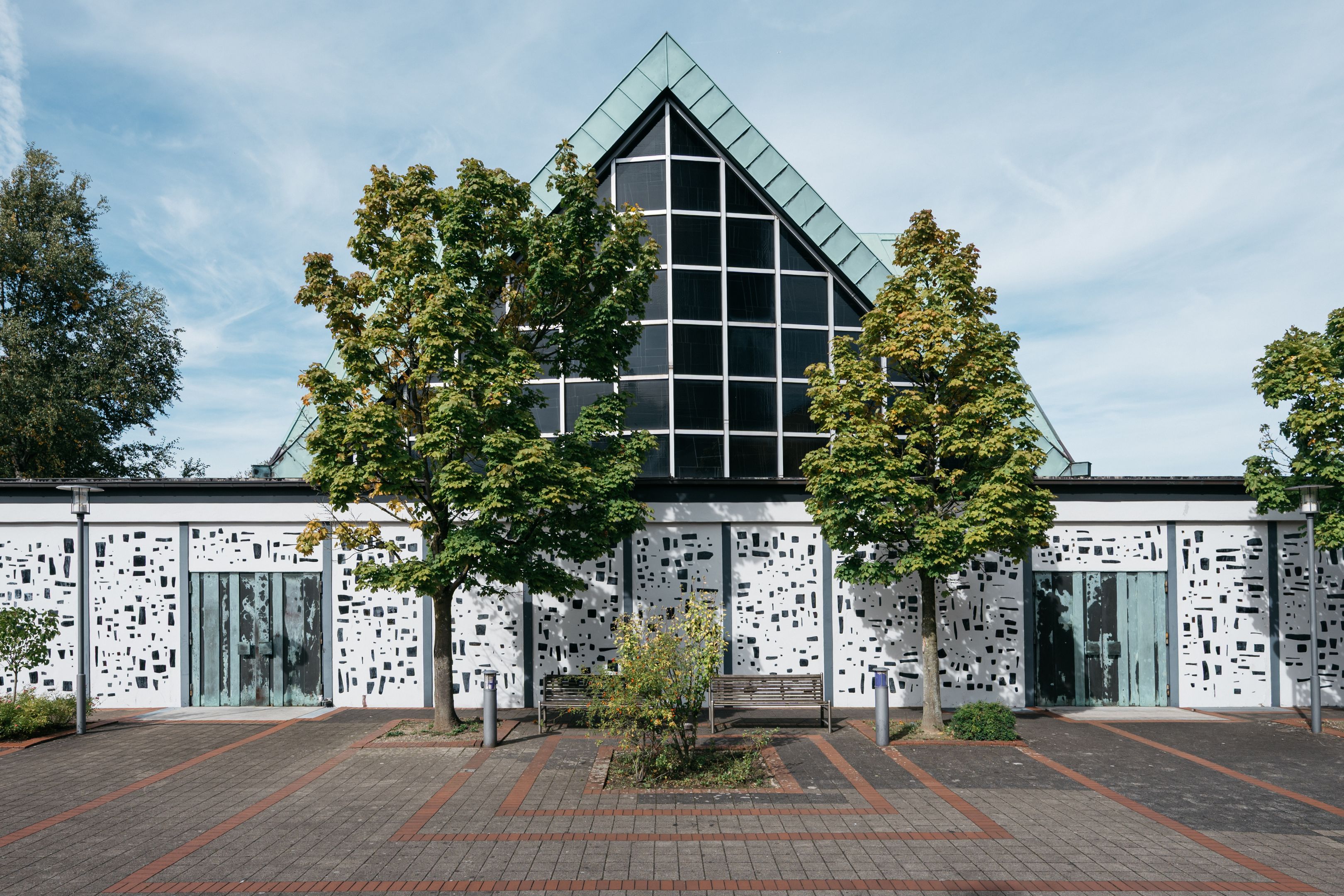
… - Thomaskirche – Hava Güleç Living RoomGelsenkirchenInfo pointWheelchair accessibleWheelchair-accessible toiletThough modest in scale, Thomaskirche (1965 by Fred Janowski and Albrecht Wittig) stands out with its remarkable crystalline form, a bold expression of modernity in the mid-1960s that continues to...Creative MediatorGürsoy Doğtaş21 participants in Thomaskirche – Hava Güleç Living RoomMehmet Aksoy, Bettina Allamoda, Atiye Altül, Ayzit Bostan, Fatma Ceylan, Yıldırım Denizli, Gülbin Ünlü, Hava Güleç, Mehmet Güler, Abuzer Güler, Nejla Gür, Muhlis Kenter, Azade Köker, Julia Logothetis, Asimina Paradissa, Judith Raum, Dennis Siering, Nesrin Tanç, Weberei Kai, Serpil Yeter, Hanefi Yeter
![b_0023_Manifesta_Ruhr_Spielstaetten_DR28763.jpg]() …
… - St. Anna – Hatay Engin Music HallGelsenkirchenInfo point1 Sub-venueWheelchair accessibleWheelchair-accessible toiletSt. Anna in Gelsenkirchen Schalke-Nord is an impressive example of how a sacred space can be transformed into a lively centre for community and inclusion. Originally consecrated in 1908, the...Creative MediatorGürsoy Doğtaş12 participants in St. Anna – Hatay Engin Music HallEmre Abut, Cana Bilir-Meier, Constructlab, İhsan Ece, Philipp Gufler, Cihangir Gümüştürkmen, Nejla Gür, Gašper Kunšič, Jannis Psychopedis, Mesut-Sabuha Salaam, Ming Wong, Hanefi Yeter
![01 St Anna © Claudia Dreysse.jpg]() …
… - St. JosefGelsenkirchenInfo pointWheelchair accessibleWheelchair-accessible toiletAmong the venues of Manifesta 16, St. Josef (1894–1896 by Lambert von Fisenne, 1912 sacristy construction by Josef Franke) holds a unique position: unlike the selected modernist buildings, it features...Creative MediatorJosep Bohigas4 participants in St. JosefHavîn Al-Sîndy, Curro Claret, Dúo Barber-Palacios, Penique Productions
![St-Josef-Gelsenkirchen-Foto-Silviu-Guiman-1.JPG]()
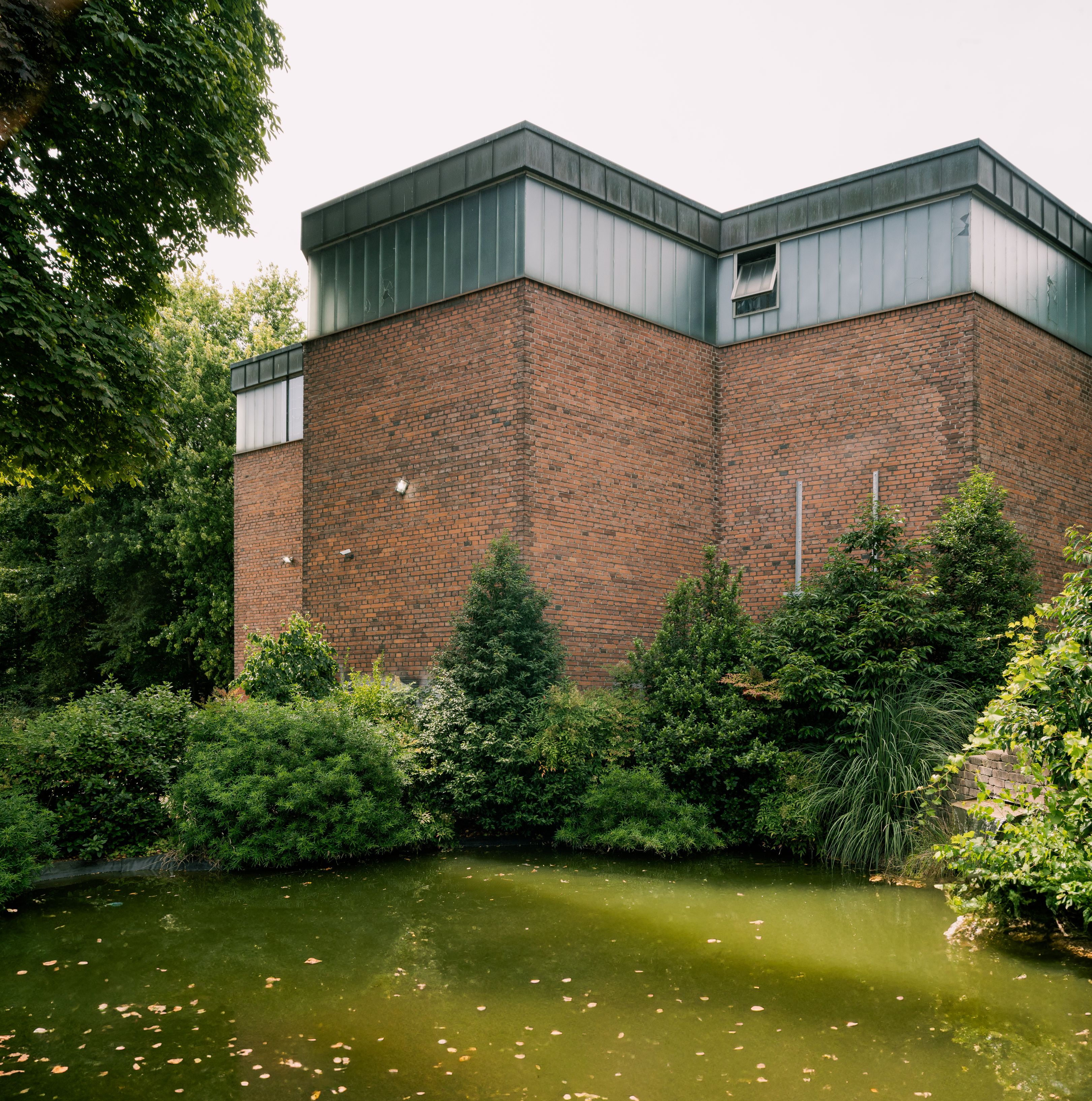
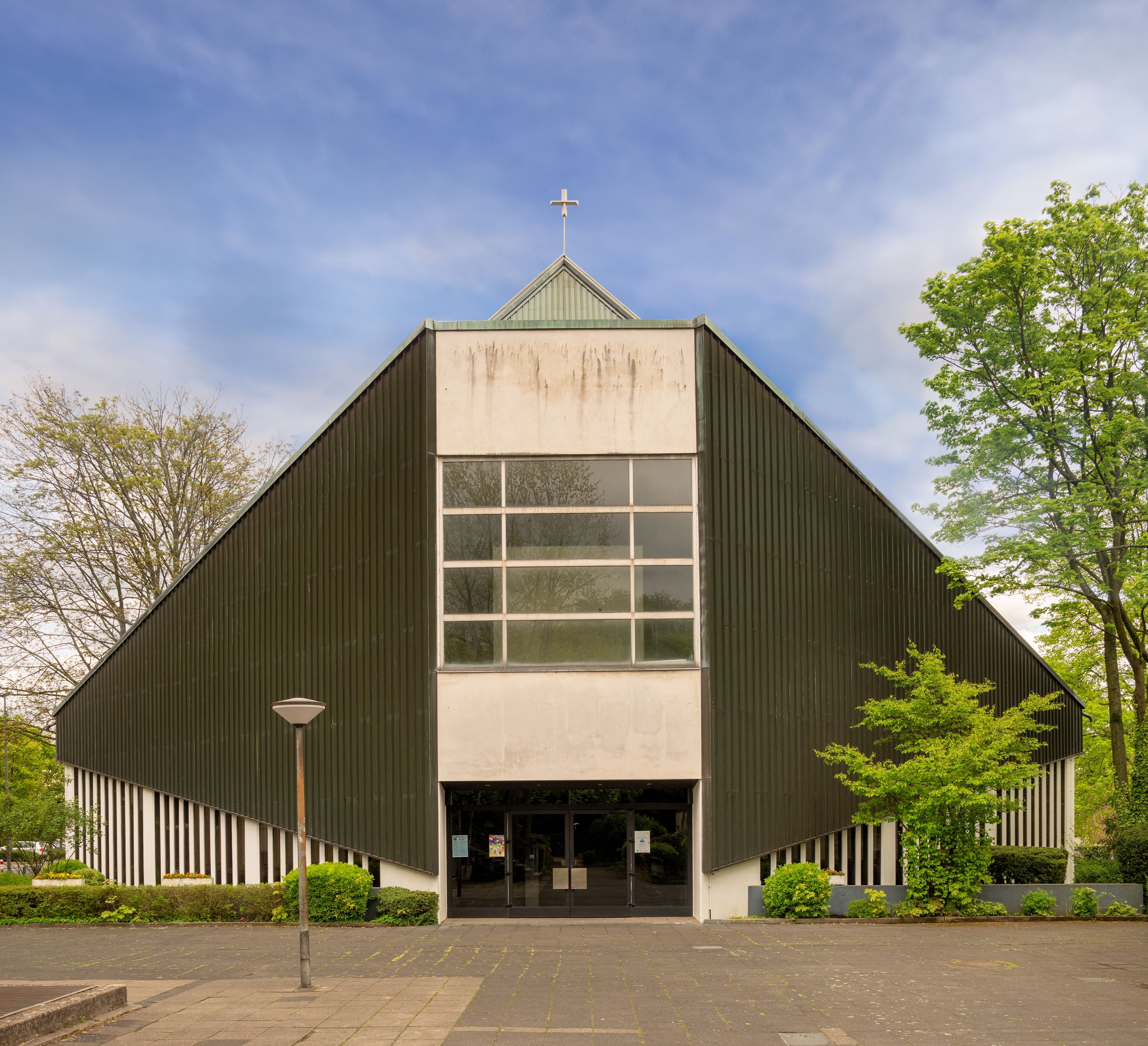
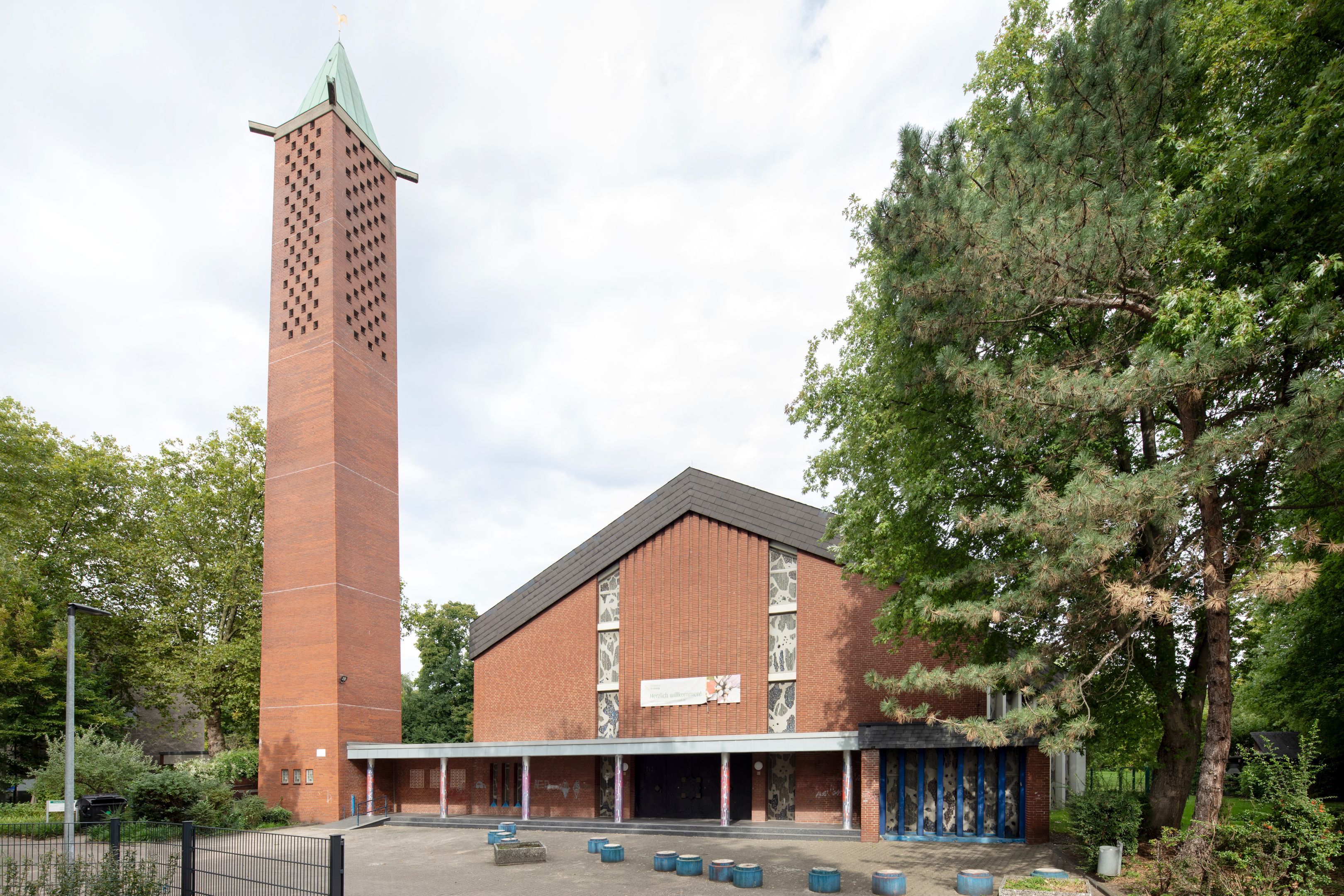
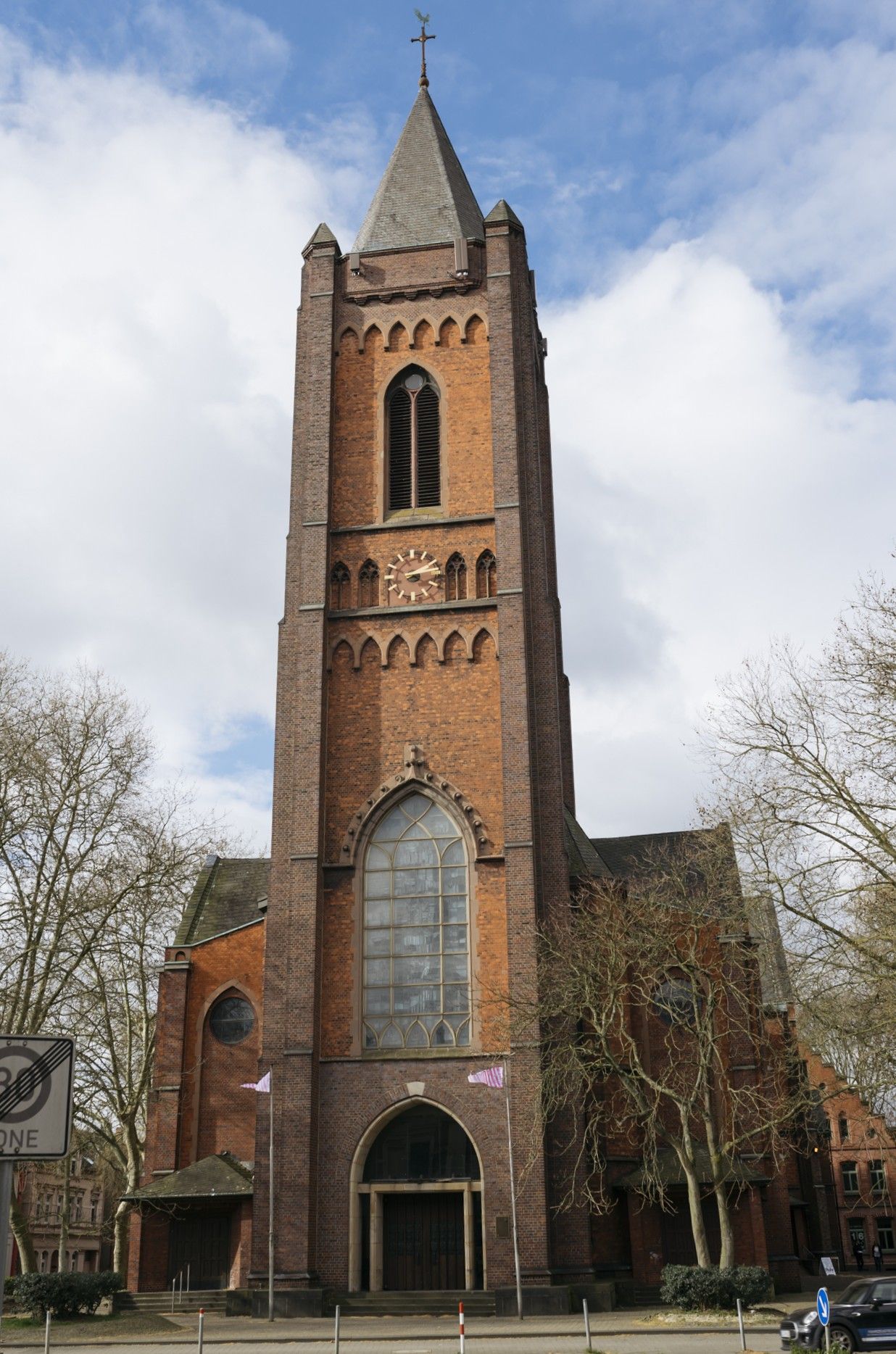
Bochum is one of the Ruhr Area’s leading centres for research, culture and education. Beyond its industrial heritage, the city is shaped by neighbourhoods that reflect the region’s ongoing social and economic transformations.
Its cultural landscape ranges from the Deutsches Bergbau-Museum and the Jahrhunderthalle to the Ruhr University, the Schauspielhaus Bochum and the Kunstmuseum Bochum. Together, these institutions highlight Bochum’s rich mix of industrial history, contemporary art and student life.
Manifesta 16 Ruhr focuses on four churches in residential districts shaped by migration, economic change and evolving social structures. The biennial takes place across four venues in Bochum, including a post-war emergency church and a historic cultural church in the former working-class district of Goldhamme.
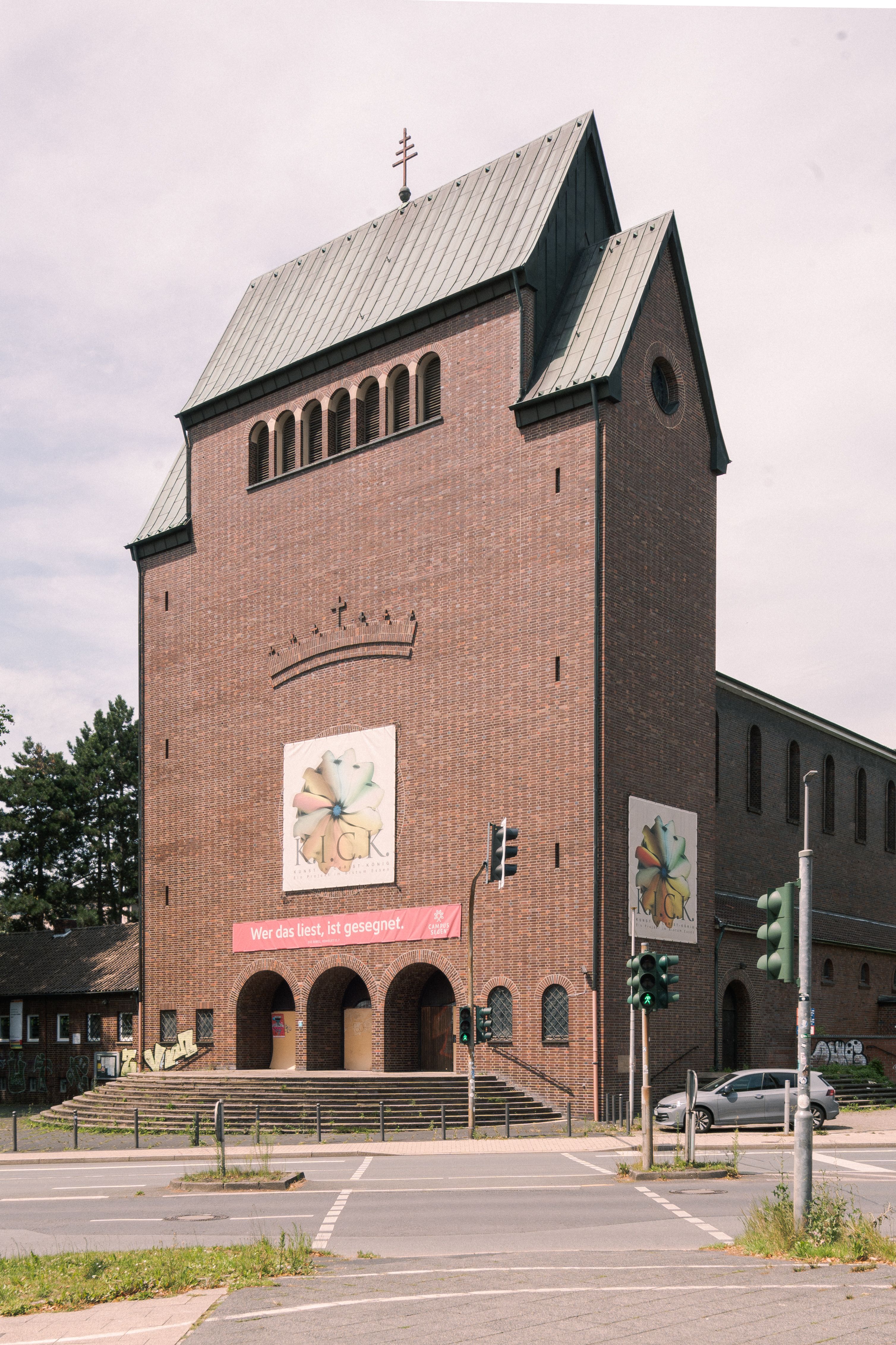
- Christ-KönigBochumInfo pointWheelchair accessibleNo wheelchair-accessible toiletsChrist-König (1932 by Franz Schneider) in Bochum is a reconstruction of a church originally built for a Franciscan monastery. Its simple design embodies the Franciscan ideal of poverty. After its...Creative MediatorAnda Rottenberg & Krzysztof Kosciuczuk15 participants in Christ-KönigMirosław Bałka, Mehtap Baydu, Mabe Bethônico, Aline Bouvy, Cudelice Brazelton IV, Bérénice Gaça Courtin, Niklas Goldbach, Nicolas Grospierre, Albe Hamiti, Eva Koťátková, Katarzyna Kozyra, Małgorzata Mirga-Tas, Anka Sasnal, Wilhelm Sasnal, Luc Tuymans
![20250719_Christ_Koenig_Bochum_©_Anton_Vichrov--32.jpg]() …
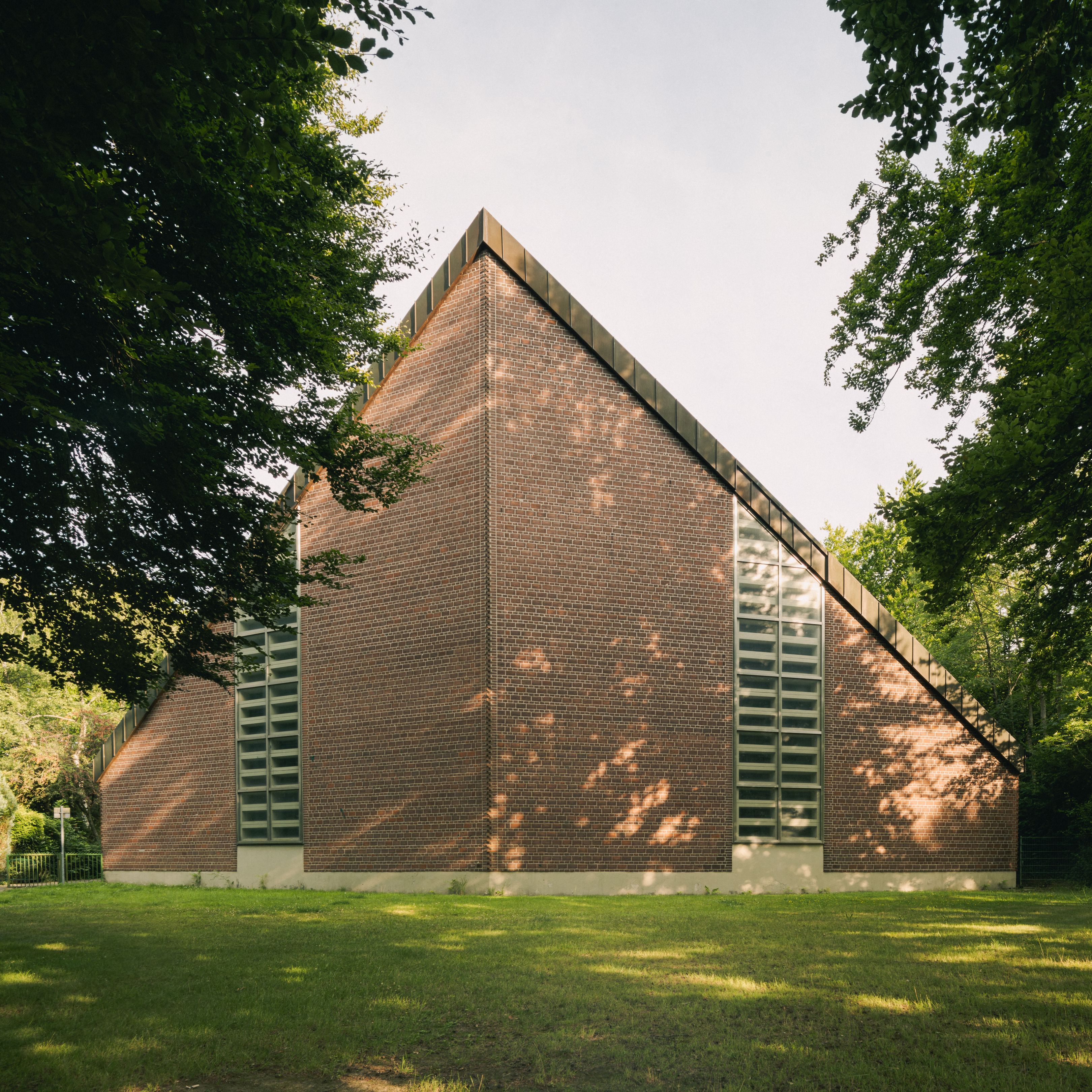
… - St. LudgerusBochumInfo pointWheelchair accessibleNo wheelchair-accessible toiletsNestled in the heart of Bochum-Langendreer, St. Ludgerus Church (1966 by Hans Joachim Lohmeyer) stands as a testament to postwar resilience and architectural innovation. Through its striking triangular shape, its...Creative MediatorJosep Bohigas2 participants in St. LudgerusCaboSanRoque, Curro Claret
![20250719_St_Ludgerus_Bochum_©_Anton_Vichrov--24.jpg]() …
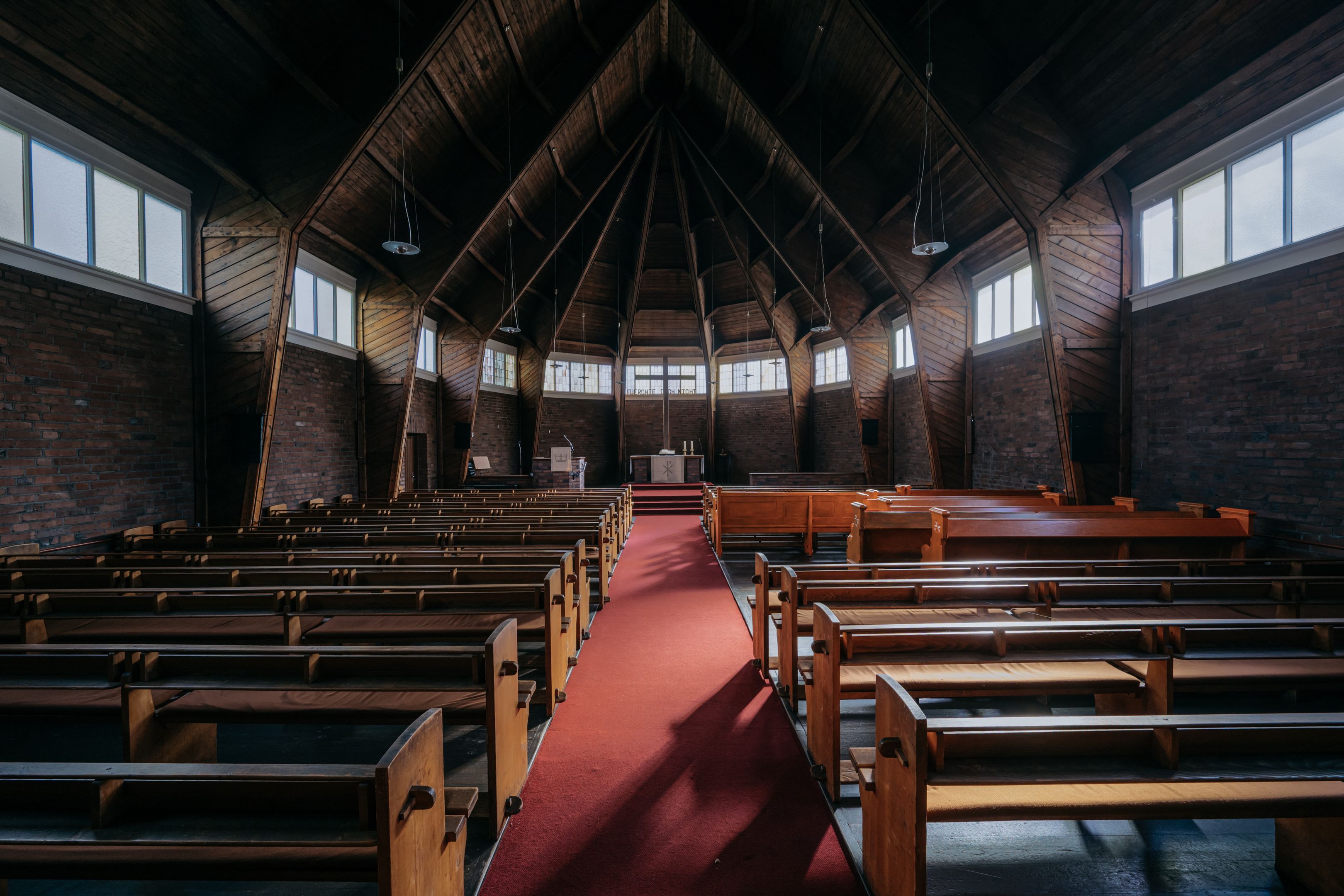
… - Gethsemane-KircheBochumInfo pointWheelchair accessibleNo wheelchair-accessible toiletsBochum’s Gethsemane Church (1947–1950 by Otto Bartning) is a remarkable example of a Protestant Notkirche (emergency church). Emergency churches served as temporary places of worship set up quickly to provide...Opening daysTuesday - Sunday(during the biennial: 21.06–4.10.2026)Creative MediatorAnda Rottenberg & Krzysztof Kosciuczuk8 participants in Gethsemane-KircheMirosław Bałka, Mehtap Baydu, Zuza Golińska, Miedya Mahmod, Marina Naprushkina, Julia Nitschke, Mikołaj Sobczak, Cassidy Toner
![Gethsemane-Kirche Bochum_2025_c_Daniel Sadrowski-.jpg]() …
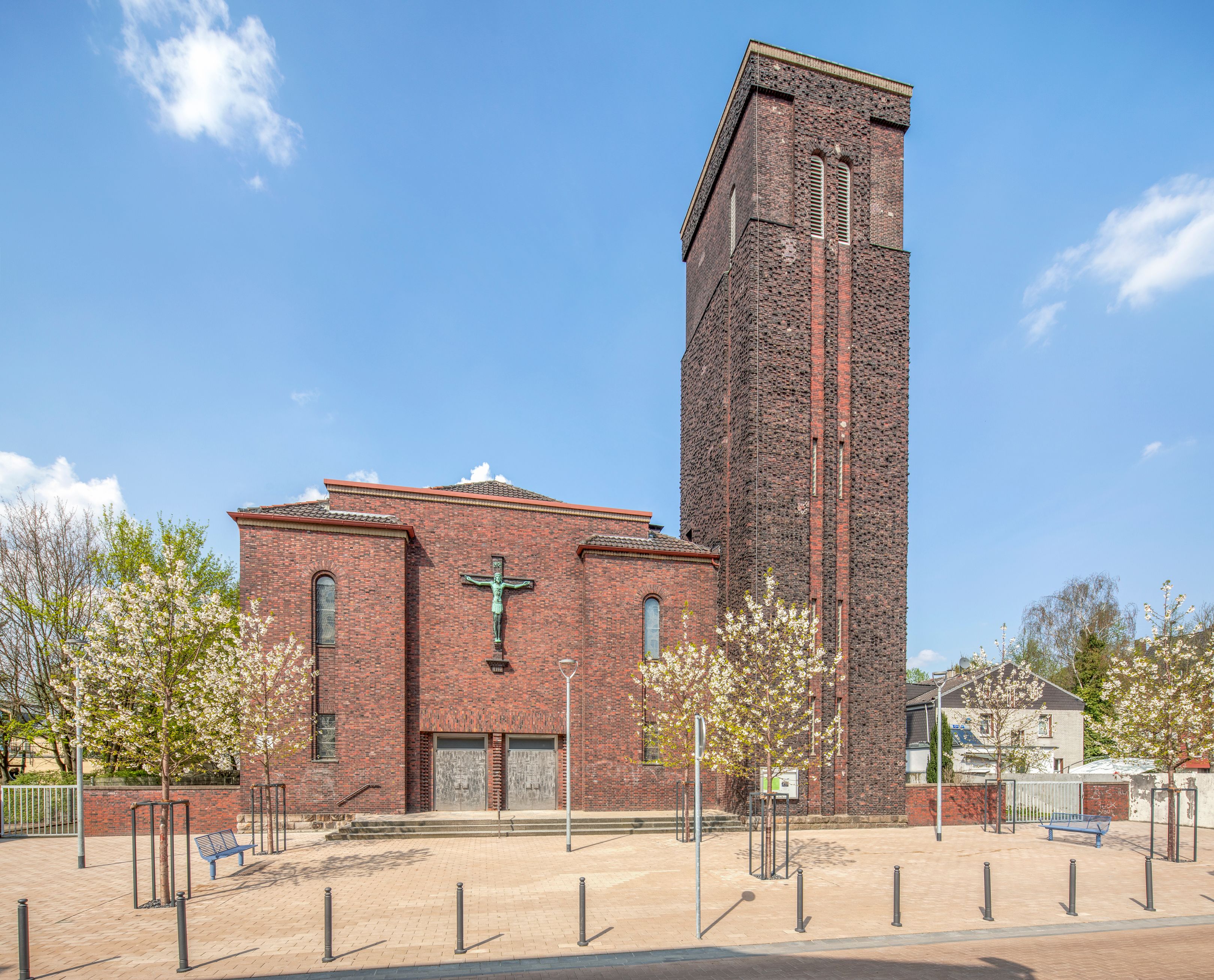
… - St. AnnaBochumInfo pointNo wheelchair-accessible toiletsWheelchair accessibleThis church building, designed by Wilhelm Peter in 1929, is located in the heart of Bochum’s Goldhamme district, to the west of the city centre. This area has traditionally been...Creative MediatorAnda Rottenberg & Krzysztof Kosciuczuk6 participants in St. AnnaPedro Cabrita Reis, Kateryna Lysovenko, Pınar Öğrenci, Mykola Ridnyi, Wilhelm Sasnal, Marion Stokes
![09_St Anna Bochum © Claudia Dreyssee.jpg]()